Together, we commemorate the life of
Alex Webb Captain Retired
By Alex Webb
Surviving the Familiar: How to Play Fnaf Horror Games Without Panic (and Still Have Fun)
Introduction
Introduction https://fivenightsatfreddysgame.io/Tribute Updates

Why Fnaf Still Works: A Friendly Guide to Playing (and Enjoying) Horror Games Without Panic
Introduction: Horror That Plays Like a Puzzle
Horror games can feel intimidating at first—dark hallways, sudden sounds, and the sense that danger is always just out of view. But some horror titles are surprisingly enjoyable because they ask you to think, not just react. One of the best examples is
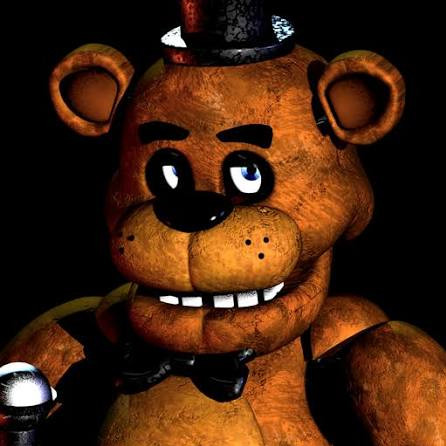
Fnaf a game where fear comes from timing, attention, and small decisions that build into a tense routine.
If you’ve never played a horror game before (or you tried once and bounced off), this article is here to help you approach the experience with confidence. The goal isn’t to “master” everything instantly. It’s to enjoy the atmosphere, learn how the challenge works, and slowly turn that nervous energy into focus.
Gameplay: How Fnaf’s Fear Is Built (and Why It’s Fun)
At its core, Fnaf turns survival into a repeating cycle. You’re not just wandering around hoping for the best—you’re given tools, watched patterns, and limited time. That structure is part of the fun because it turns horror into something closer to strategy than random jumpscares.
Here’s what the gameplay loop usually feels like:
You start your shift with a clear objective: stay alive long enough to make it through the night. As time passes, systems you rely on—like power, cameras, and lighting—become more valuable because they’re not infinite. That creates a constant balancing act. If you spend too much attention in one place, something else may slip past you.
Instead of confronting danger head-on, you respond to it indirectly. In Fnaf, you often rely on cameras and audio cues, then decide whether to check a door, watch a particular area, or conserve resources until you truly need them. That’s why the game can feel scary and engaging at the same time: you’re always doing something useful, even when it feels like you’re just waiting.
A big part of the horror comes from the uncertainty.
You might notice signs—movement, audio, or a pattern you’ve seen before—but you still don’t fully know what will happen next. This uncertainty creates tension, because your mind fills in the gaps. Meanwhile, the game does something clever: it rewards calm observation. The more steadily you track what’s going on, the more the horror becomes predictable enough to manage.
In a lot of horror games, success is about fast reflexes. In Fnaf, success often comes from rhythm—learning when to look, when to listen, and when to avoid wasting energy. That turns the “scary moment” into an outcome of decisions, not pure luck. And once you start noticing that, the game becomes easier to enjoy rather than merely endure.
Tips: How to Play Without Burning Out
If you want the experience to feel thrilling (instead of exhausting), try these practical tips. They’re meant to help you stay comfortable while still getting the full suspense.
1) Treat each shift like practice, not a test
Early on, you might feel like you’re failing constantly. That’s normal. View each attempt as collecting information: what sounds show up, where attention is most important, and how quickly systems drain. Even one successful shift teaches you something. Horror games are better when you approach them like learning a routine.
2) Use your resources intentionally
Power, cameras, and lighting aren’t just “things you use.” In Fnaf, they’re a meter for decision-making. A helpful mindset is to ask: What am I preventing right now by checking this? If the answer is unclear, it’s usually a sign to conserve and wait for a stronger cue.
This doesn’t mean “never check.” It means checking with purpose. You’ll feel less overwhelmed when you know you’re not spending resources randomly—you’re managing a plan.
3) Look for patterns, not perfection
Some players focus on reacting perfectly every time. That can make the game feel stressful. A better goal is pattern recognition. For example, you might notice that certain movements or audio cues tend to appear after specific time windows. Once you start spotting these rhythms, your brain stops feeling like it’s fighting the game and starts feeling like it’s reading it.
The horror stays intense, but it becomes guided by your understanding.
4) Keep your reactions small and quick
In tense moments, it’s easy to overcorrect: panic-check everything, slam back and forth between options, and waste time. Instead, aim for smaller steps. Check once, confirm what you need, then act. If you’re unsure, pause your next action until you gather enough information to justify it.
This is a subtle tip, but it improves both survival and enjoyment. You’ll feel more in control, which makes the scares less draining.
5) Adjust your comfort level
Not all horror is the same for everyone. If you’re sensitive to jumpscares or intense sound design, you can still enjoy the gameplay side without suffering through it unnecessarily. Try lowering volume slightly, using headphones at a comfortable level, or taking short breaks when the tension spikes.
You don’t need to prove you can handle everything. You just need to let the game be enjoyable.
6) Watch streamers only if it helps you learn
Some people prefer to figure things out alone, and that’s completely valid. But if you’re stuck, a short peek at gameplay from others can teach you pacing—how often someone checks, when they conserve, and how they respond to cues. Try to use that as a learning tool, not as a shortcut for every decision.
Even then, the most satisfying part usually comes when you apply the lesson and improve your own play.
Conclusion: Enjoy the Tension, Then Let It Pay Off
The best horror experiences don’t just scare you—they invite you into a routine where your attention matters. Fnaf is a great example because it turns fear into a manageable challenge: you learn patterns, weigh resources, and make decisions under pressure. Over time, the “unknown” becomes something you can read, and the tension becomes a kind of excitement instead of pure stress.
If you try the game with patience—thinking of each shift as practice—you’ll likely start to feel the same thing many players do: that sweet moment when you realize you’re not only surviving, you’re understanding what’s happening. And that’s when horror stops being something you endure and starts being something you truly experience.